 Batrouniyat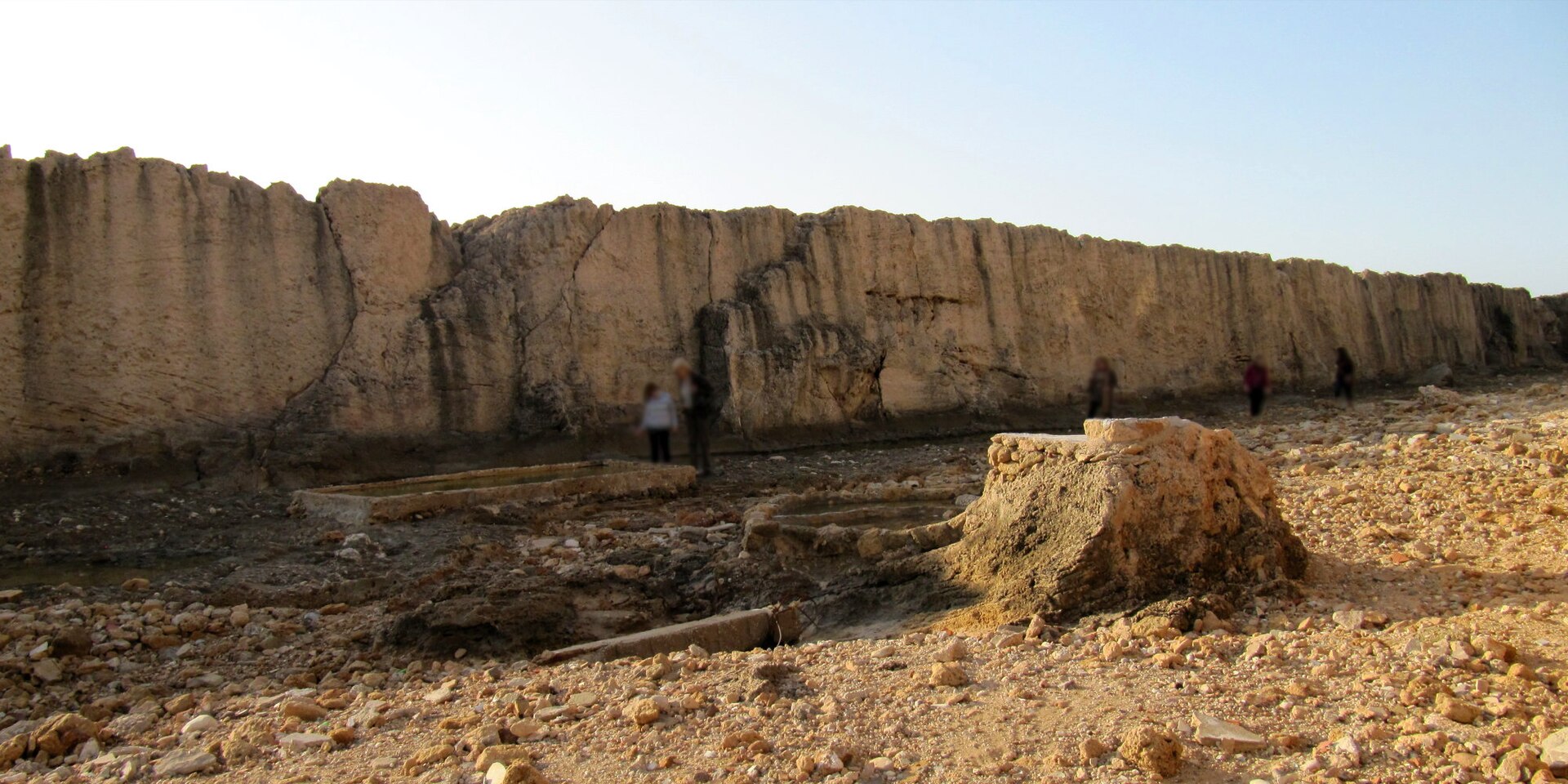
The story of Batroun
Three thousand years on the water.
One of the oldest continuously inhabited towns on earth, and it never stopped being a harbour. This is how Batroun got here.
The Greeks wrote it down as Botrys. The Phoenicians built it long before that. Between an ancient sea wall and a harbour carved by an earthquake, Batroun has watched empires come and go and stayed, stubbornly, itself.
Botrys, a Phoenician city
Founded by the Phoenicians and, by tradition, credited to Ithobaal I, king of Tyre. The Greeks called it Botrys; the older root may be the Phoenician bater, to cut, for the wall carved against the sea. Strabo, Pliny and Ptolemy all knew the name.
The Phoenician sea wall
A natural ridge of petrified sand dune, reinforced by hand, roughly two hundred and twenty five metres long. For over two thousand years it has broken the Mediterranean off the town, the single oldest structure still doing its job in Batroun.
The night the harbour was born
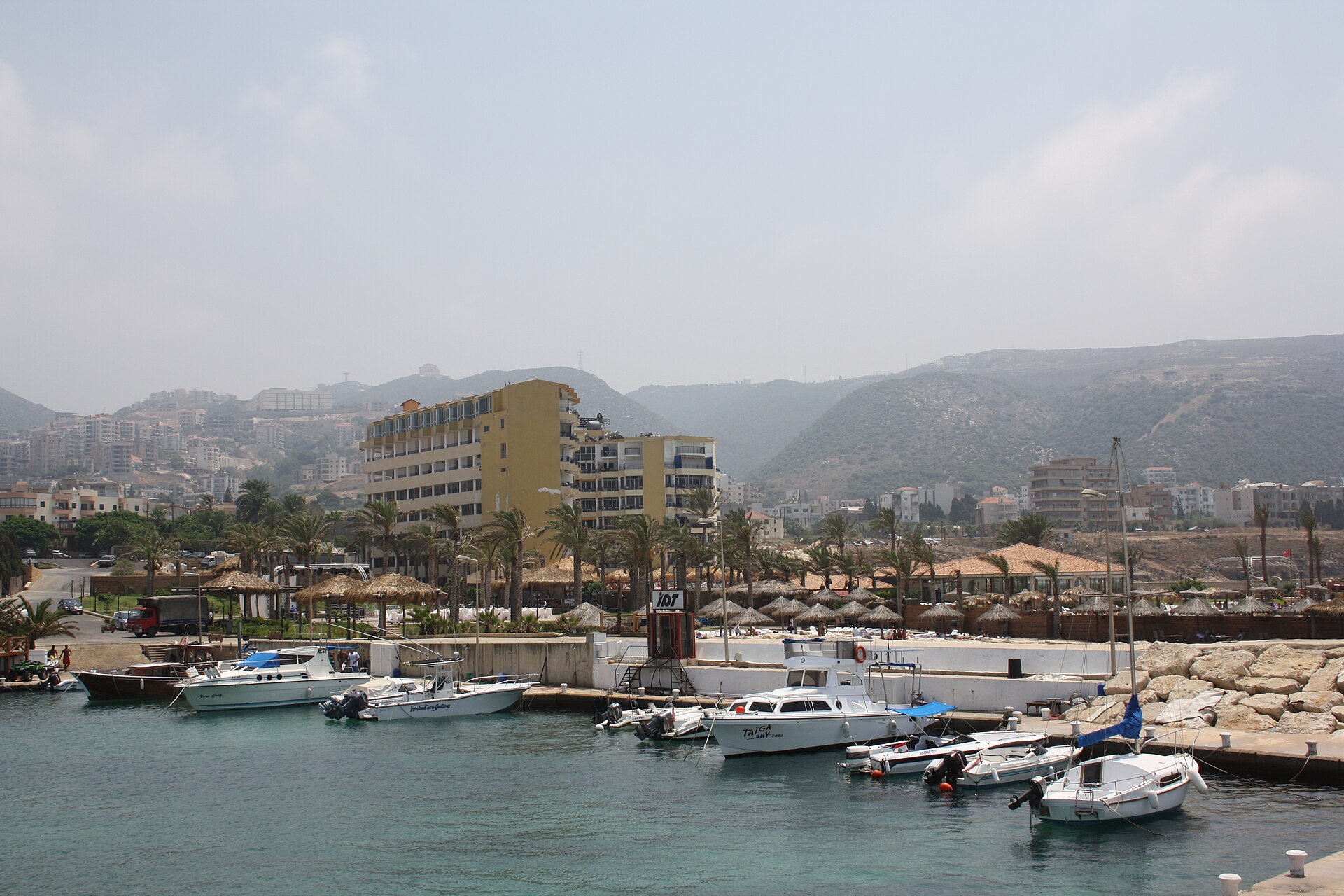
An earthquake and the wave that followed reshaped this whole coast in the sixth century, cracking the cape and carving out the natural harbour that Batroun still fishes from today. The disaster gave the town its port.
Crusaders, Mamluks, Ottomans
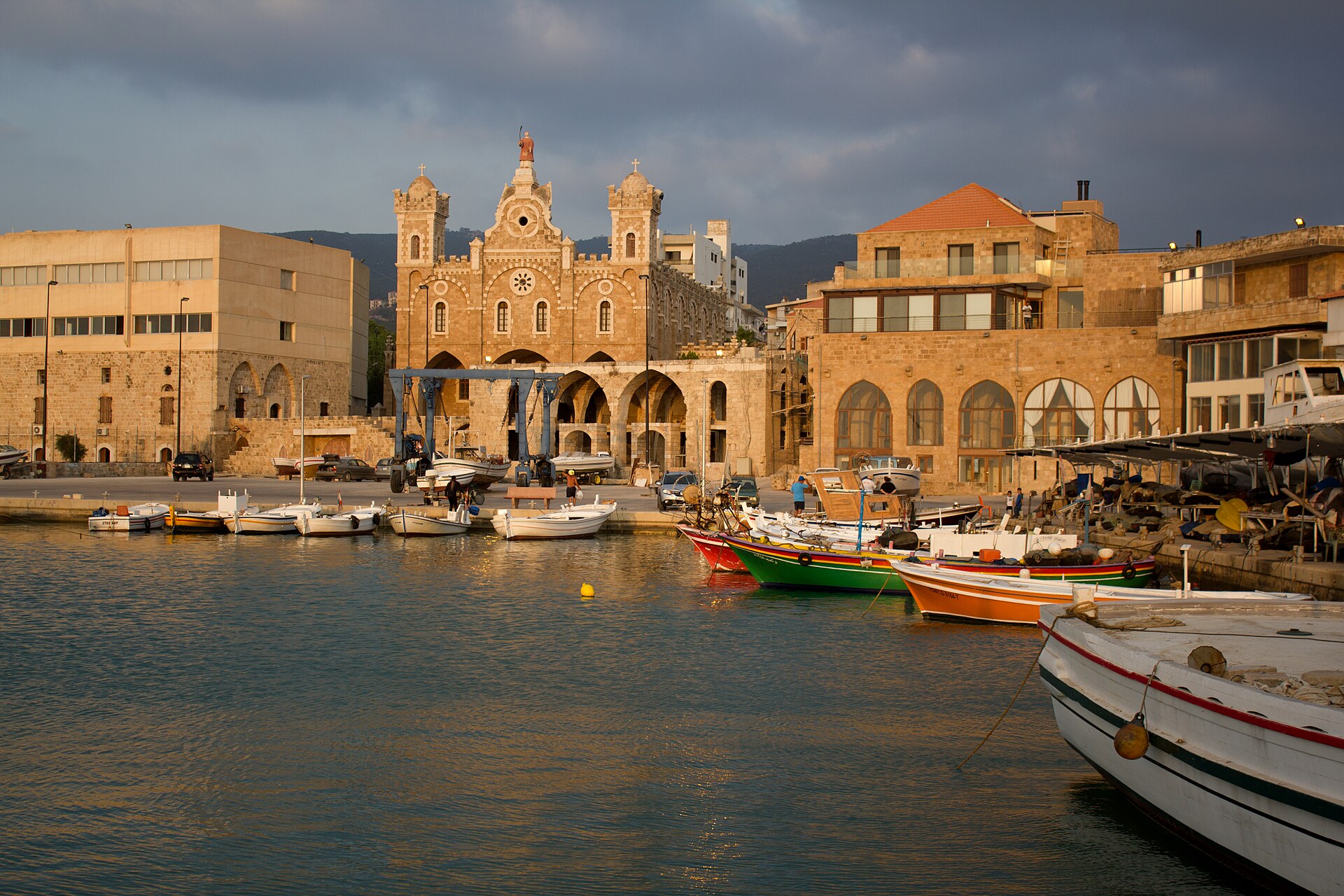
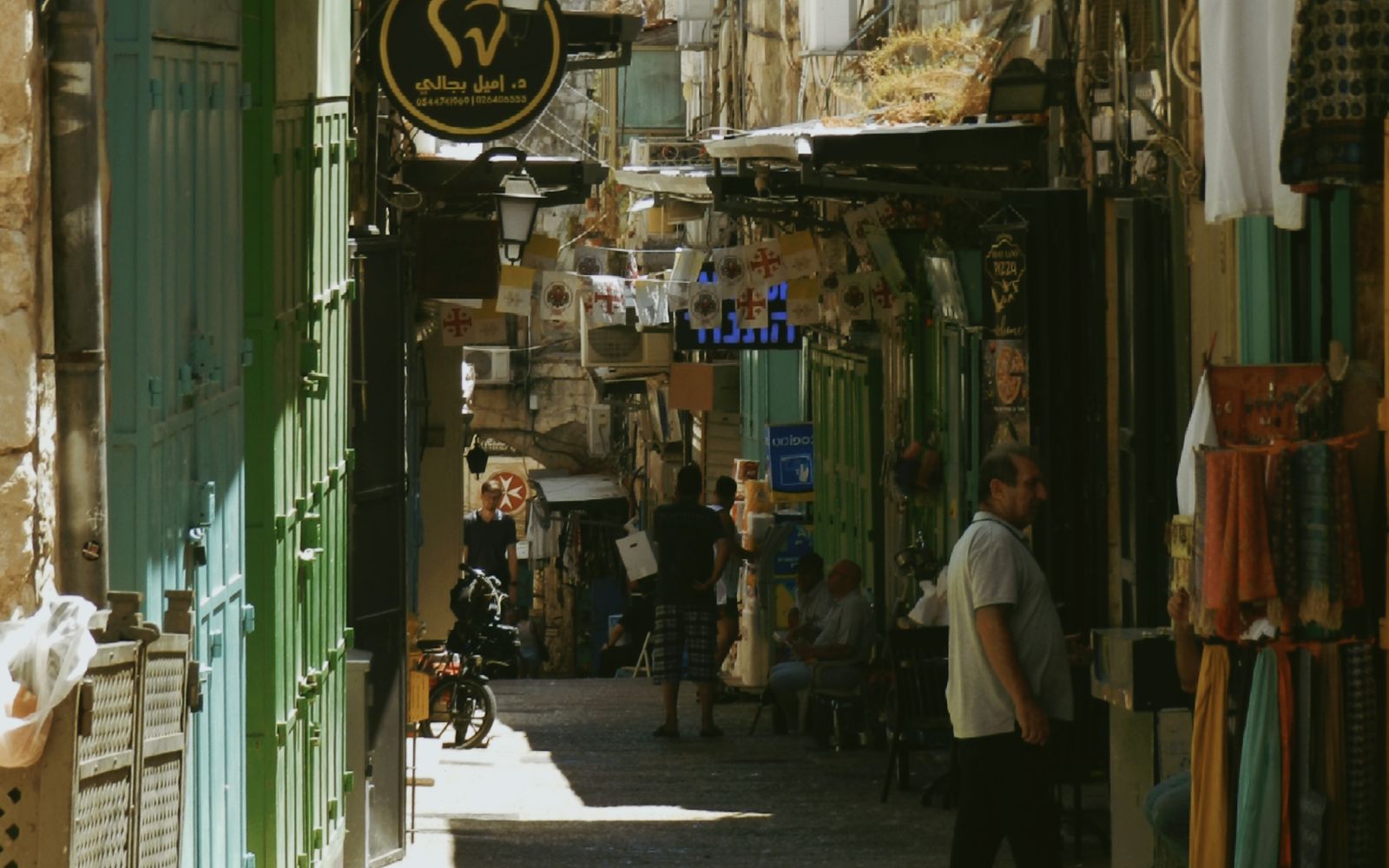
The Crusaders came in 1104 under the County of Tripoli, the Mamluks in 1289, then the long Ottoman centuries. Each left its stone in the old town, the lanes of the souk, and the churches that still ring the harbour.
In numbers
A town measured in millennia.
The old town
Layers you can still walk.
Get in
One gate for everything Batrouniyat hosts.
Tickets are now fully in-house. Starting with Batroun Foot City, this is the only place to get in. Secure, encrypted checkout; price re-checked at payment.