 Batrouniyat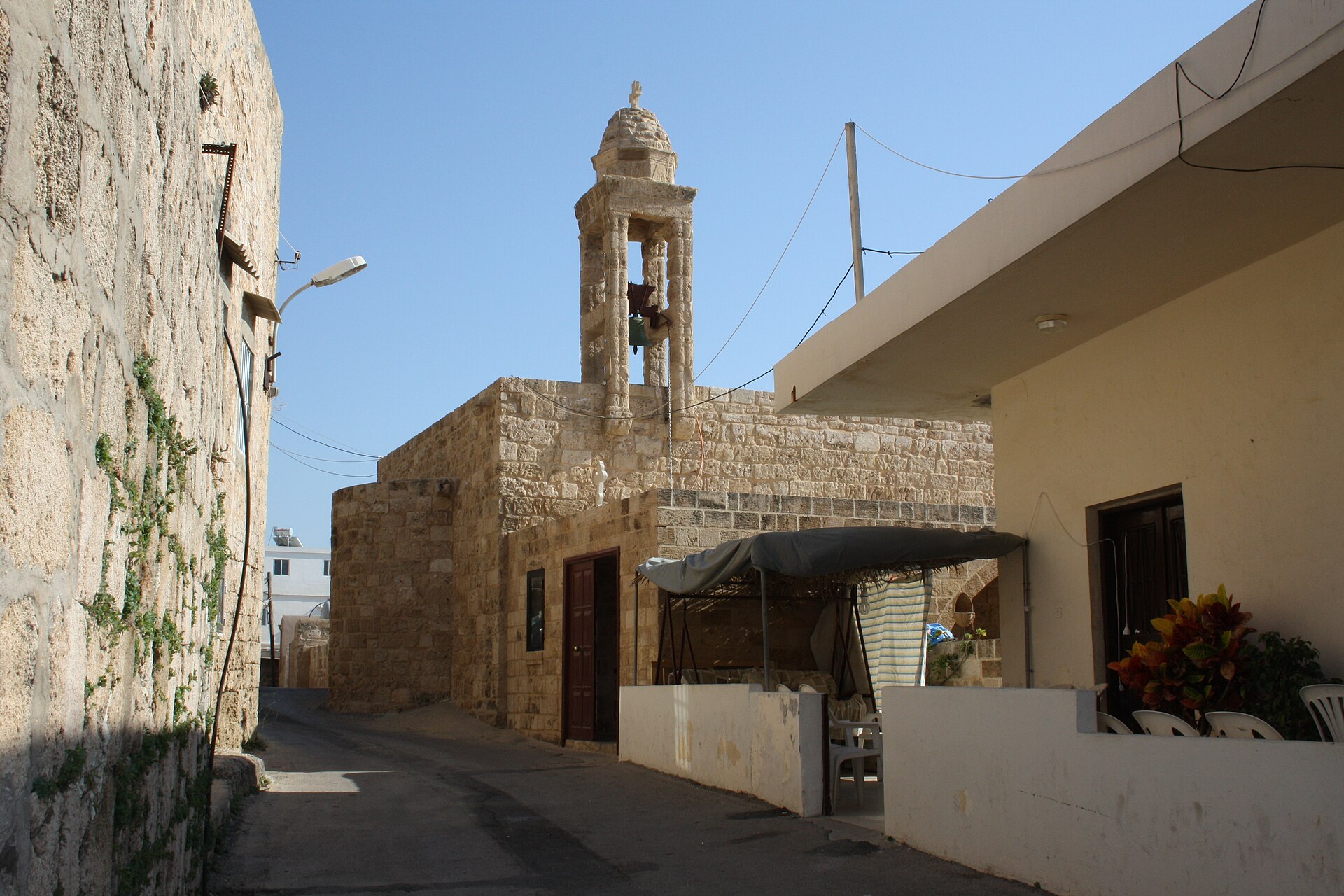
What to see
Stone, sea and faith.
A church on the rocks, a fort on a crag, a two-thousand-year-old wall against the waves. The landmarks that make Batroun worth the drive.
Batroun wears its history out in the open. You can stand where the town has prayed to the sea for centuries, walk a Phoenician wall, and drive ten minutes to a fort a prince built four hundred years ago.
Our Lady of the Sea
A church set on the rocks beside the Phoenician wall, on a site that goes back to Byzantine times, with icons dating to 1863. For generations this is where Batroun has faced the Mediterranean and prayed.
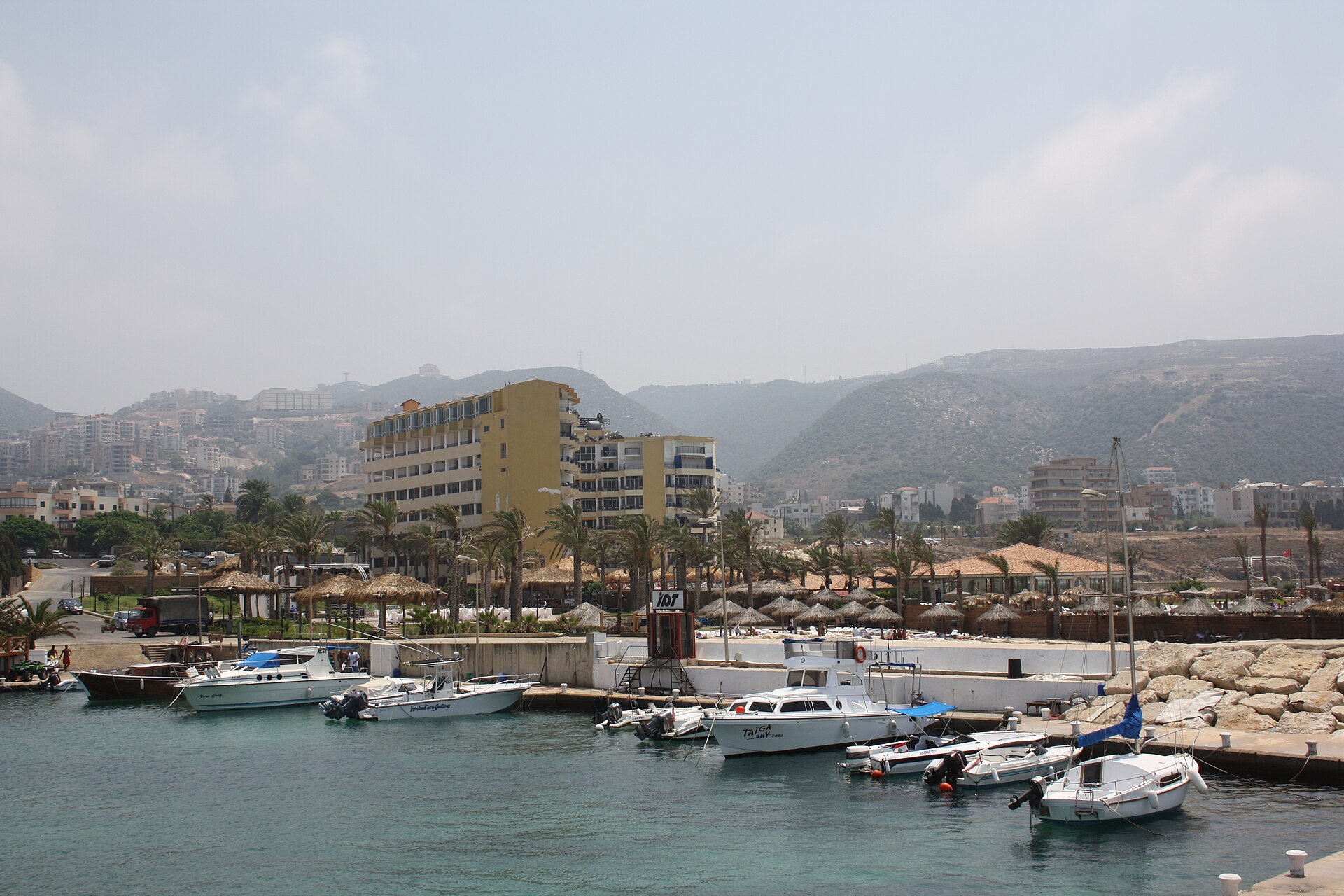
Saint Stephen Cathedral
Raised around 1896 in the honey-coloured sandstone quarried from Batroun itself, to a design by the architect Giuseppe Maggiore. Its three bell towers still stand over the old town, one of the town's great landmarks.
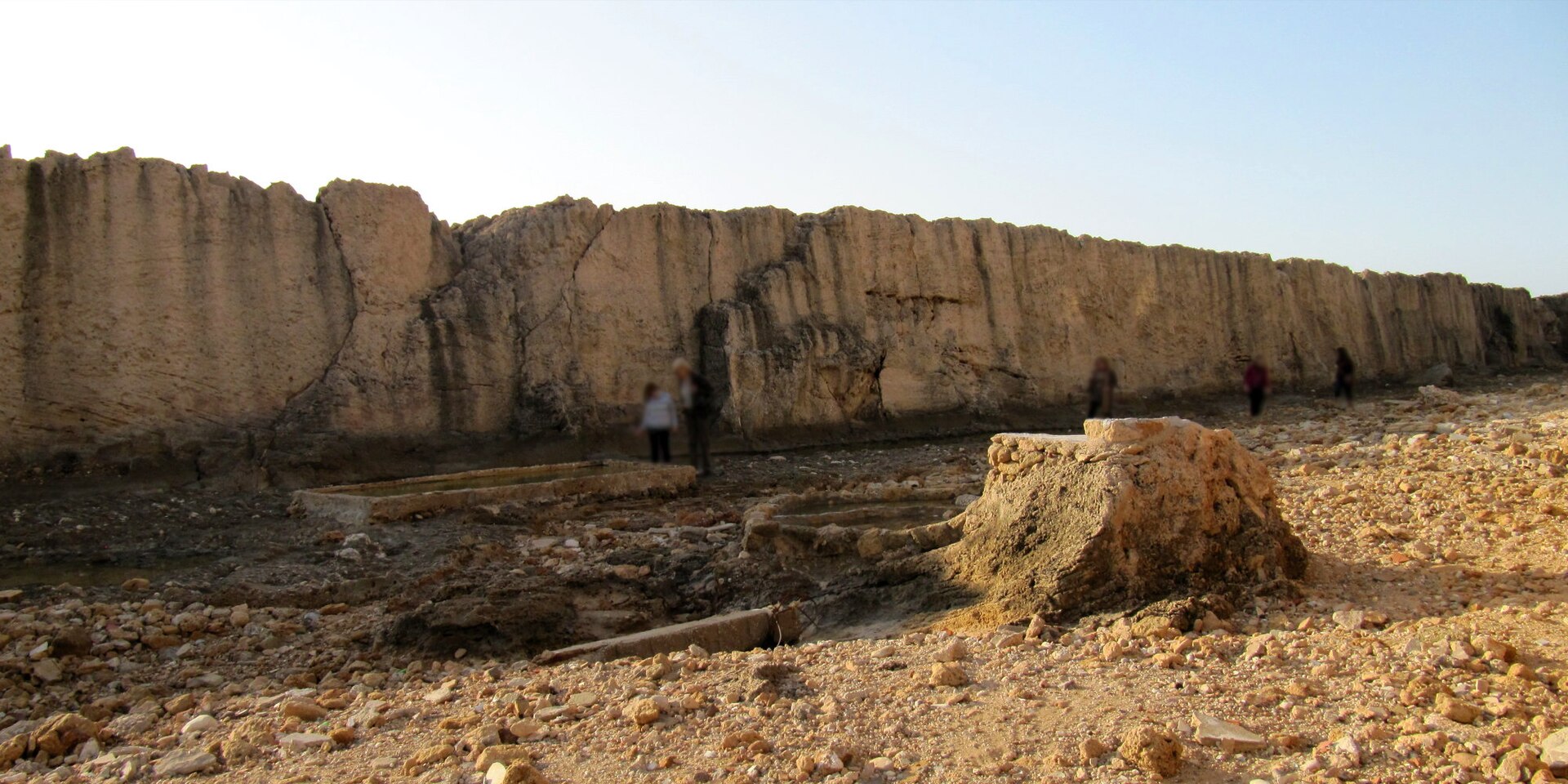
The Phoenician Wall
The two-hundred-and-twenty-five-metre sea wall is the oldest thing in Batroun and still the exact line where the town meets the sea. Waves break on the far side; on this side, the old town begins.
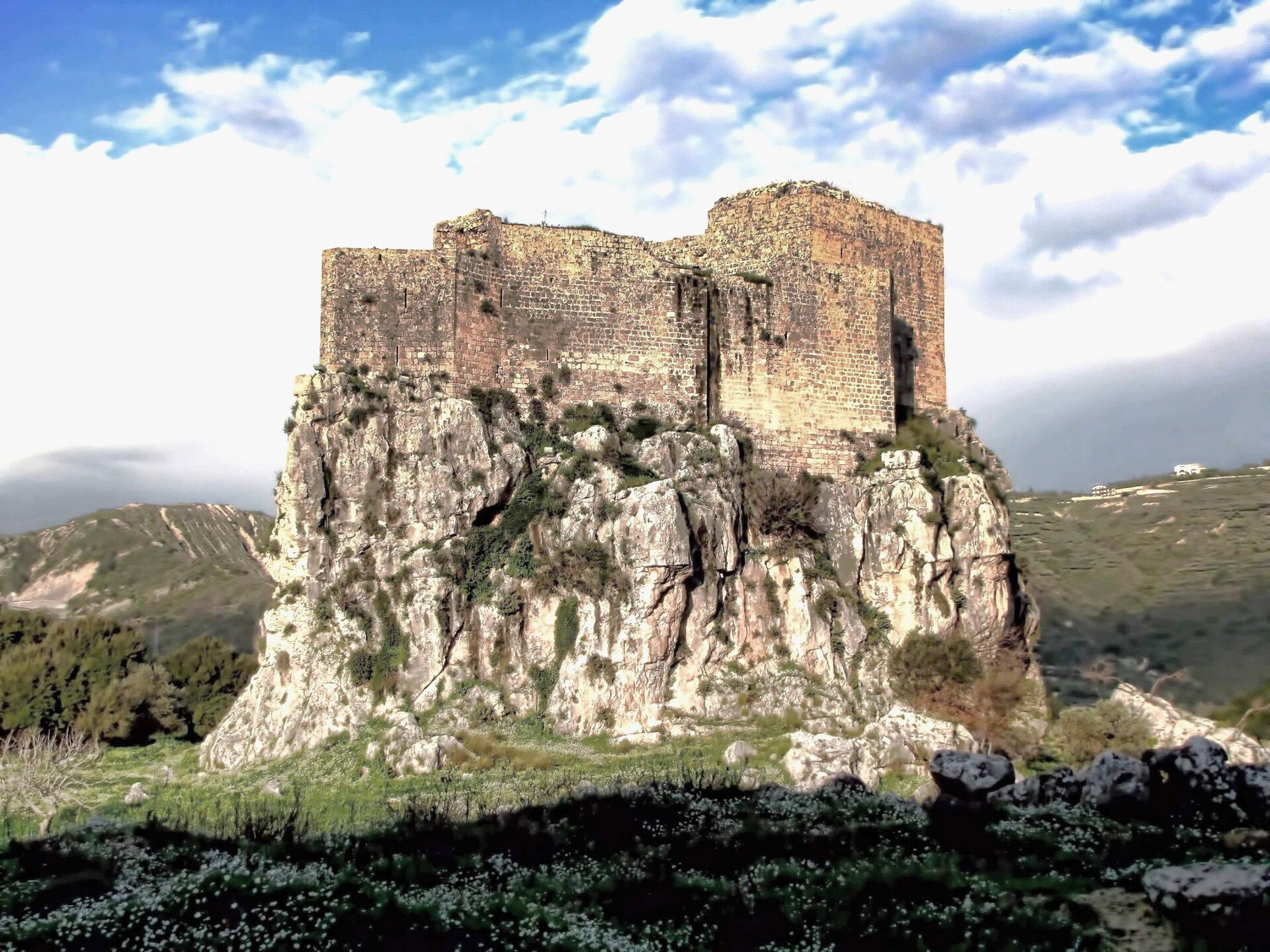
Mseilha Fort
Ten minutes north, a stone fort rises straight off a limestone crag above the Nahr al-Jaouz. Emir Fakhreddine II raised it in the seventeenth century to guard the coast road. Its walls follow the rock so closely they look grown from it.
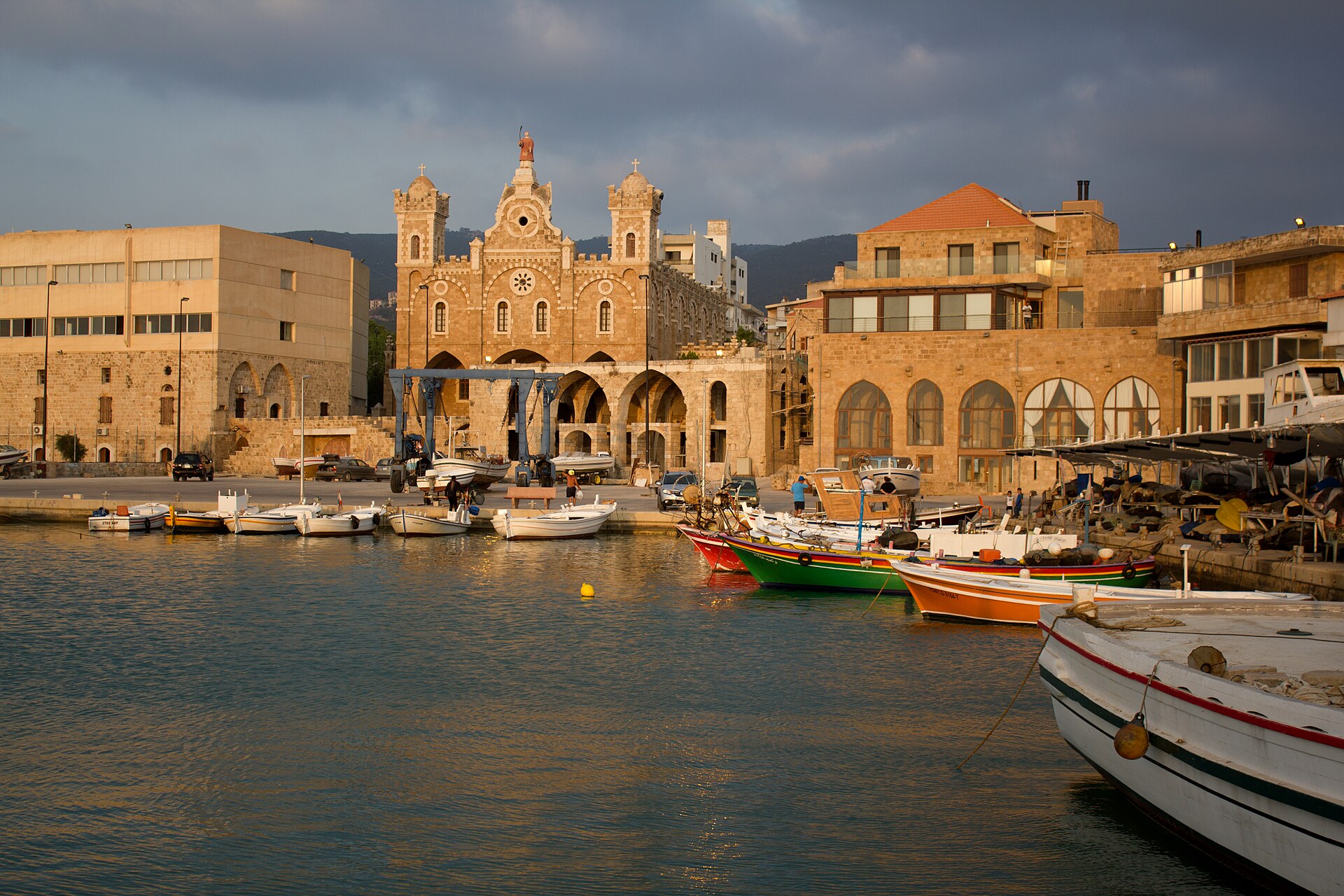
The old souk & harbour
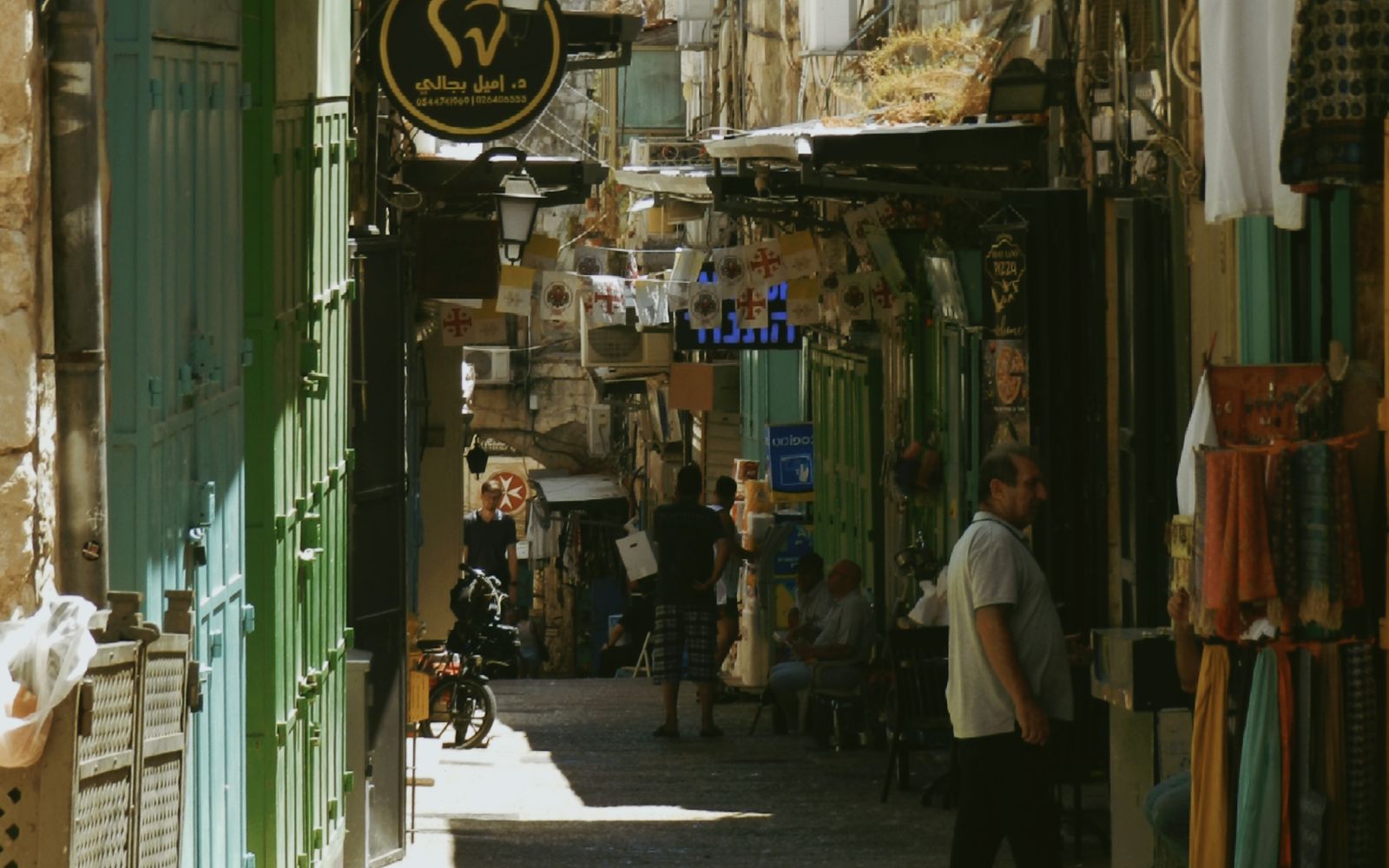
The nineteenth-century market lanes, renovated but never gutted, and the fishing harbour the 551 quake carved out. This is where the town still shops, eats, and pushes its boats out at dawn.
The sights
All within a short walk.
Get in
One gate for everything Batrouniyat hosts.
Tickets are now fully in-house. Starting with Batroun Foot City, this is the only place to get in. Secure, encrypted checkout; price re-checked at payment.